Jerusha Hull Featured on Rewire for Birth: Navigating the Fourth Trimester
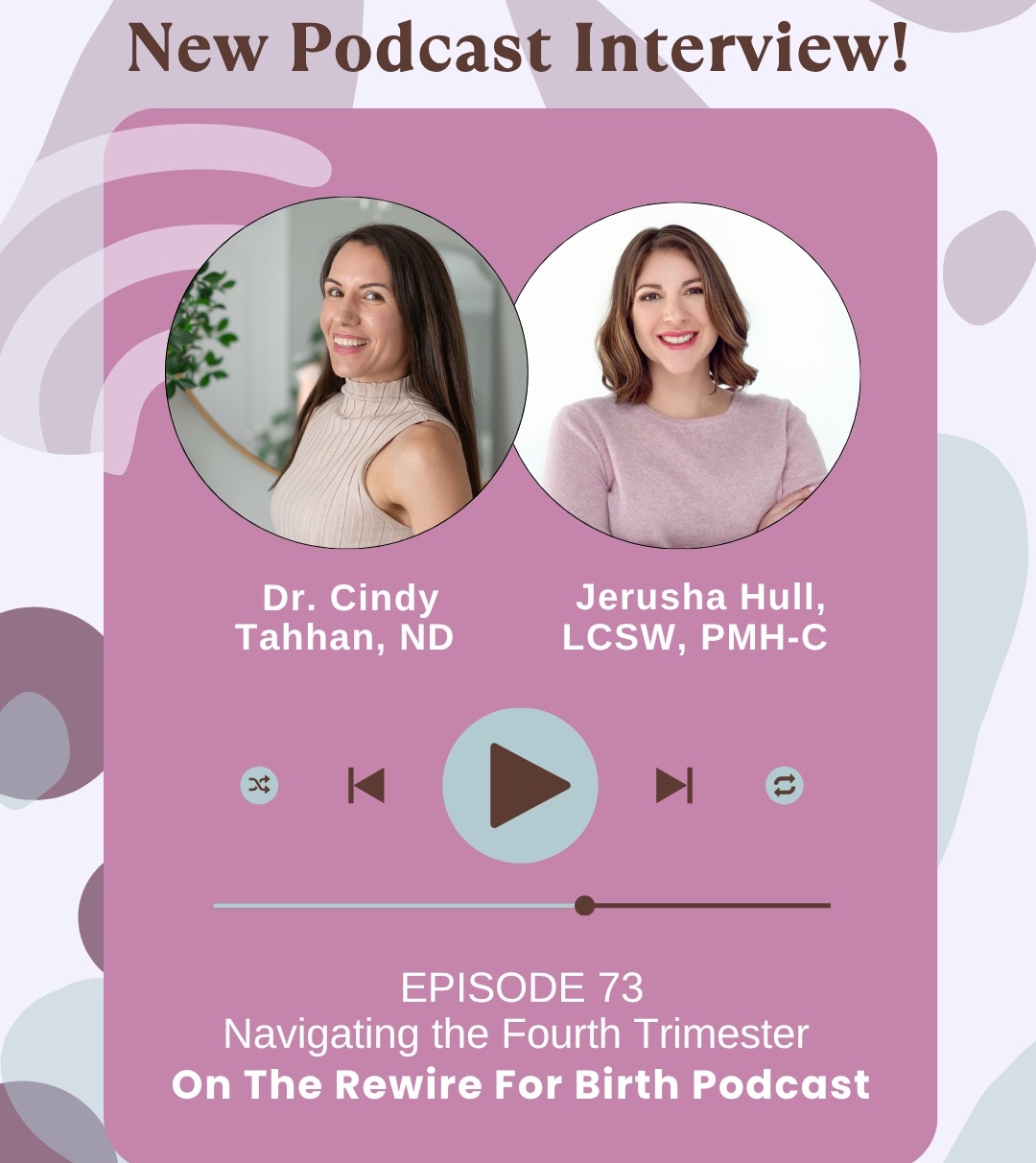
I recently had the privilege of joining the Rewire for Birth podcast as a guest speaker to discuss a topic that is at the center of both my clinical work and my passion: helping women and families navigate the fourth trimester.
As a therapist and founder of Virtue Counseling, I spend much of my work supporting women through pregnancy, fertility experiences, postpartum transitions, and the emotional realities of becoming a parent. While many expecting parents spend months preparing for labor and delivery, far fewer spend time preparing for what comes after birth.
That is exactly what we explored during this conversation.
The weeks and months after a baby arrives can bring joy, excitement, connection, uncertainty, exhaustion, and emotional overwhelm—all at the same time. Preparing for that transition matters.
About My Conversation on Rewire for Birth
On this episode of Rewire for Birth, we discussed the realities of the fourth trimester and how emotional preparation can be just as important as practical preparation.
Topics we explored included:
- What the fourth trimester actually means
- Why postpartum planning often gets overlooked
- Emotional shifts new parents commonly experience
- The role of expectations in postpartum adjustment
- Building support systems before birth
- Recognizing when additional support may be needed
- Why maternal mental health deserves more attention
Many families create birth plans, baby registries, and nursery checklists. But very few create a plan for emotional well-being after birth.
The transition into parenthood affects more than sleep schedules and routines. It can affect identity, relationships, confidence, and mental health.
Why We Need to Talk More About the Fourth Trimester
One of the biggest challenges I see in my work is that many women assume they are supposed to naturally know how to manage the postpartum experience.
They tell themselves:
“I should be able to handle this.”
“Everyone else seems fine.”
“Maybe I’m doing something wrong.”
But postpartum adjustment is not simply about learning to care for a baby.
It often involves:
- Physical recovery
- Hormonal changes
- Sleep deprivation
- Relationship shifts
- Identity changes
- Increased anxiety
- Changes in confidence and emotional regulation
None of these experiences automatically mean someone is failing.
They often mean someone is adjusting to one of the biggest life transitions they will ever experience.
Why Preparation Is Different Than Prediction
Preparing for postpartum is not expecting something bad to happen.
Preparation creates support before someone reaches a point of overwhelm.
That can include:
Practical preparation
- Meal support
- Household help
- Childcare assistance
- Rest planning
Emotional preparation
- Identifying support people
- Discussing expectations with partners
- Scheduling check-ins
Mental health preparation
- Understanding warning signs
- Recognizing personal risk factors
- Knowing where support exists
A Message I Hope Parents Take Away
If there is one thing I hope listeners took away from this conversation, it is this:
You do not have to wait until things feel unmanageable to deserve support.
Support is not reserved for crisis.
Support can be preventative.
Support can help build confidence.
Support can help parents move from simply surviving to feeling more grounded and connected during this season of life.
Listen to the Episode
I was honored to join Rewire for Birth for this conversation and share more about navigating the fourth trimester and maternal mental health.
Listen here: